A Beginner’s Guide to Unlocking Your Signature Scent
Have you ever caught a whiff of a fragrance and thought, “That’s lovely, but I wish it were a bit warmer,” or “This citrus is great, but I want it to last longer”? If so, you’ve already taken the first step into a wonderfully creative world. I’m talking about the art of fragrance layering. This practice is your secret weapon to personalizing your collection, and in this guide, I’m going to teach you exactly how to layer perfume. Forget feeling intimidated; this is about play, experimentation, and finding a scent that is uniquely you. It’s a simple skill that can completely transform how you wear and appreciate your fragrances.
Key Takeaways
- Start with simplicity by pairing a single-note fragrance, like vanilla or sandalwood, with a more complex perfume to enhance a specific facet.
- The general rule of thumb is to apply the heavier, more intense fragrance first, allowing the lighter, brighter scent to dance on top.
- Always test your fragrance layering combinations on a paper blotter before applying them to your skin, as skin chemistry can dramatically alter the final result.
- Expand your technique by using scented body products like lotions, creams, or oils as a foundational layer to improve both scent and longevity.
- Focus on combining complementary or classic fragrance families, such as pairing bright citrus notes with deep woody scents, or rich ambers with delicate florals.

The Art of Fragrance Layering: What You Need to Know
Why Should I Even Bother Layering Perfumes?
That’s a fair question! For many, a single beautiful fragrance is more than enough. But layering perfumes opens up a whole new dimension of personal expression. The primary reason I do it is to create a signature scent that is entirely my own. It’s a way to take a popular fragrance like Bleu de Chanel and give it a personal twist that makes it unique. Beyond uniqueness, you can also strategically improve a perfume’s performance. If you have a beautiful citrus scent that fades in two hours, layering perfume over a woody or musky base can give it the anchor it needs to last all day.
Are There Any Rules I Absolutely Must Follow?
In the world of scent, I believe rules are made to be broken, but guidelines are incredibly helpful, especially for beginners. The most important of all fragrance layering tips is simply to have fun and trust your nose. However, a great starting point is to avoid mixing two extremely complex and powerful fragrances right off the bat. Imagine trying to listen to two different orchestras playing at once—it’s likely to be chaotic. Instead, start by pairing a simple, linear scent (one that doesn’t change much as it dries) with something a little more multifaceted. The goal is harmony, not competition.
Can I Use Scented Lotions and Oils for This?
Absolutely, and in my opinion, this is one of the best and most underrated methods of layering scents. Using a scented body lotion or oil is a perfect introduction to the concept of how to layer perfume. The lotion not only moisturizes your skin, which helps any fragrance last longer, but it also creates a fragrant foundation. For instance, applying a sandalwood-scented body cream before spraying a rose perfume can create a beautiful “creamy rosewood” effect. This technique is fantastic for boosting both longevity and sillage, which is the scent trail you leave behind.
Practical Steps on How to Layer Perfume Like an Expert
Where Do I Physically Apply the Different Fragrances?
You have a couple of great options here. The most direct method is to apply the fragrances to the same spot. I recommend spraying the stronger, heavier scent first. Let it settle for a minute, and then apply the lighter scent directly on top. Your pulse points—wrists, neck, and behind the ears—are perfect for this. Another sophisticated technique is to apply different scents to different parts of your body. You could apply a cozy vanilla scent to your chest and a bright bergamot to your wrists. This creates a more dynamic and evolving scent aura as you move.
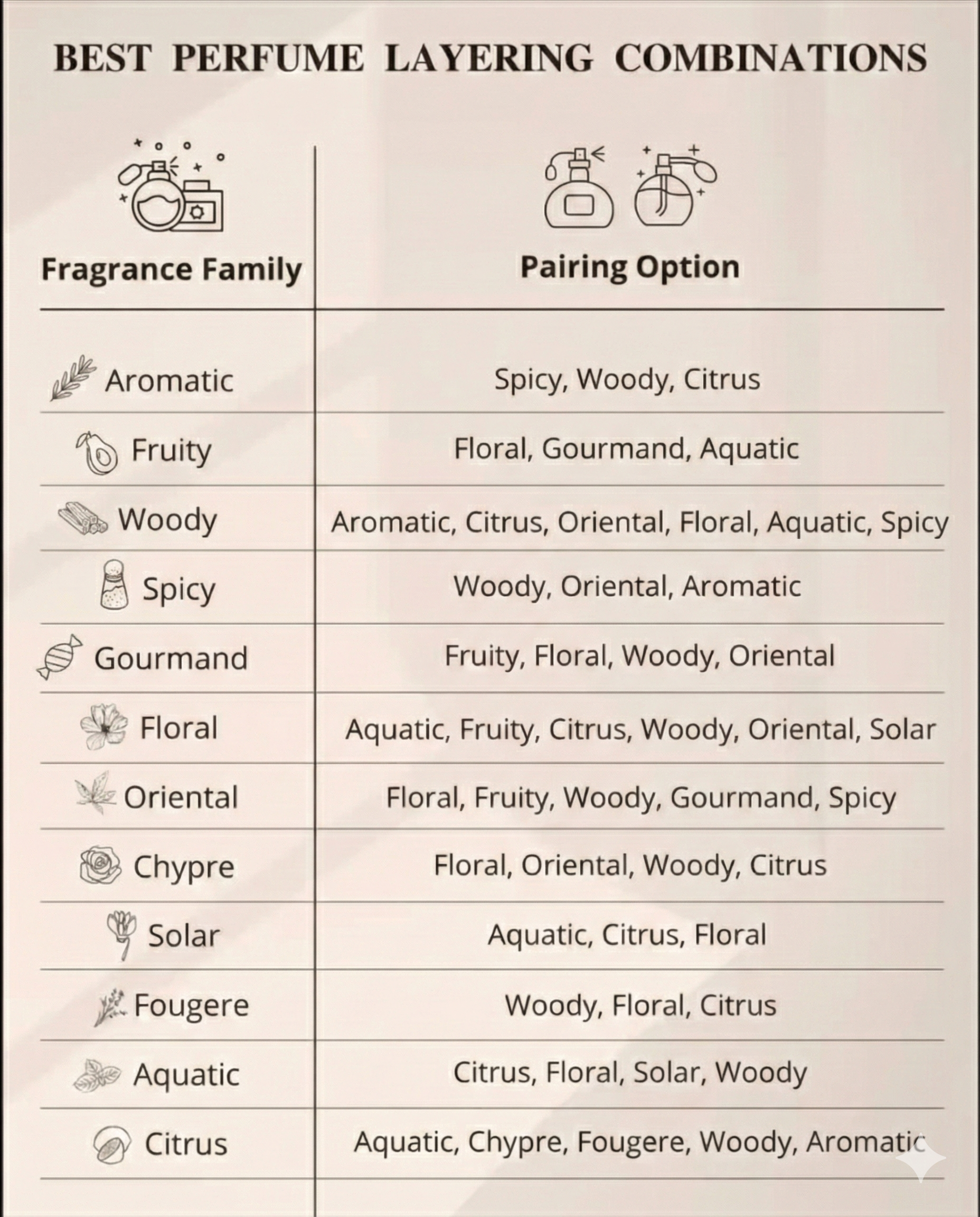
What Are Some Foolproof Fragrance Layering Combinations to Start With?
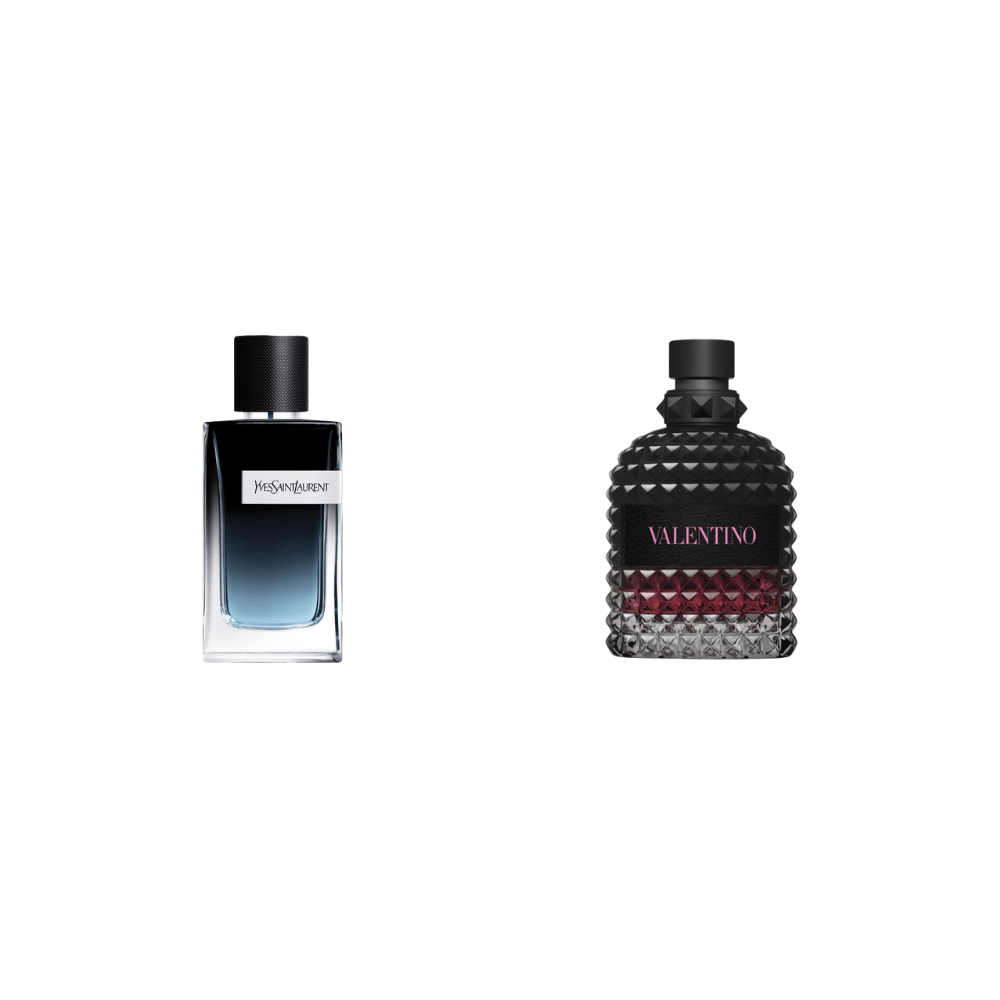
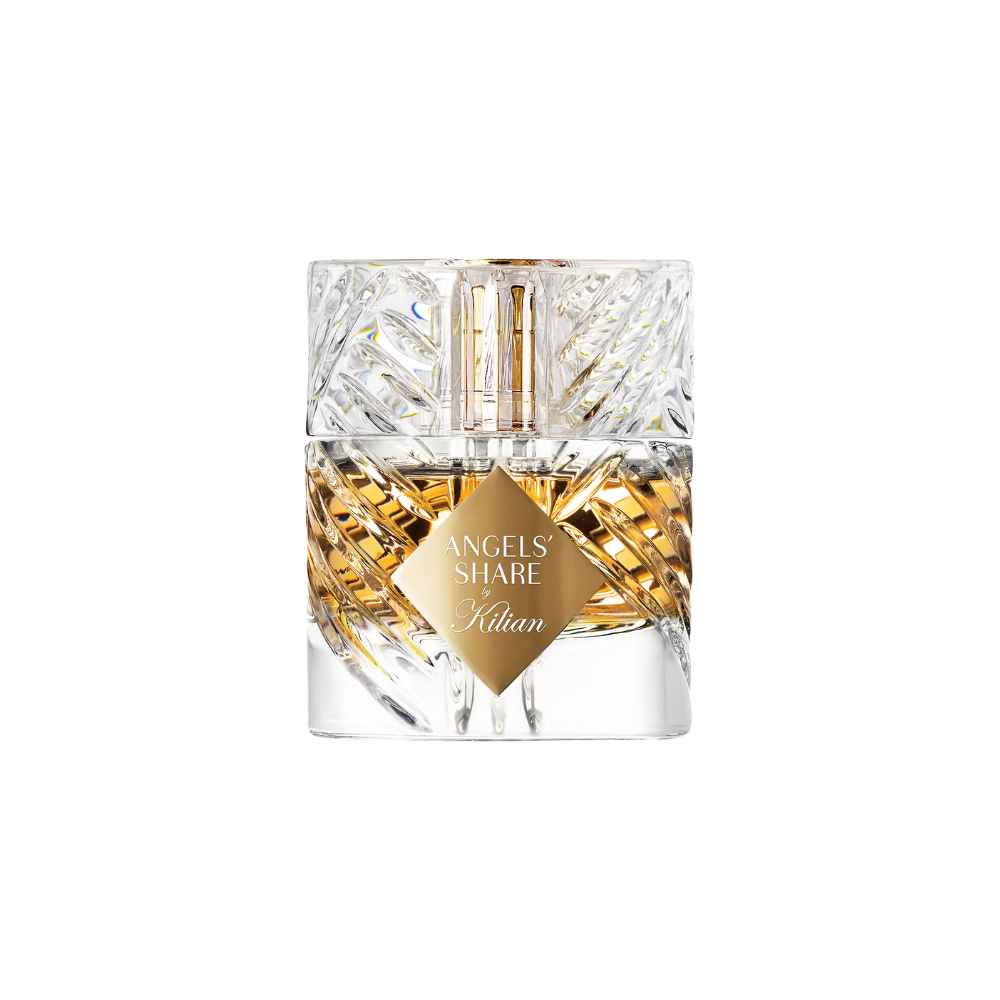
If you’re wondering where to begin, these classic fragrance layering combinations are almost guaranteed to succeed. One of my personal favorites is pairing a simple, sweet vanilla fragrance with something smoky or spicy. The vanilla softens the sharpness and adds a gourmand warmth. Another fantastic duo is a zesty citrus with a clean white floral, like jasmine or neroli; the citrus lifts the floral, making it feel sunnier and more vibrant. For a truly elegant combination, try layering a deep amber or musk with a solitary rose fragrance. The amber base gives the rose a mysterious and velvety depth.
Is There a “Fragrance Layering Chart” I Can Use?
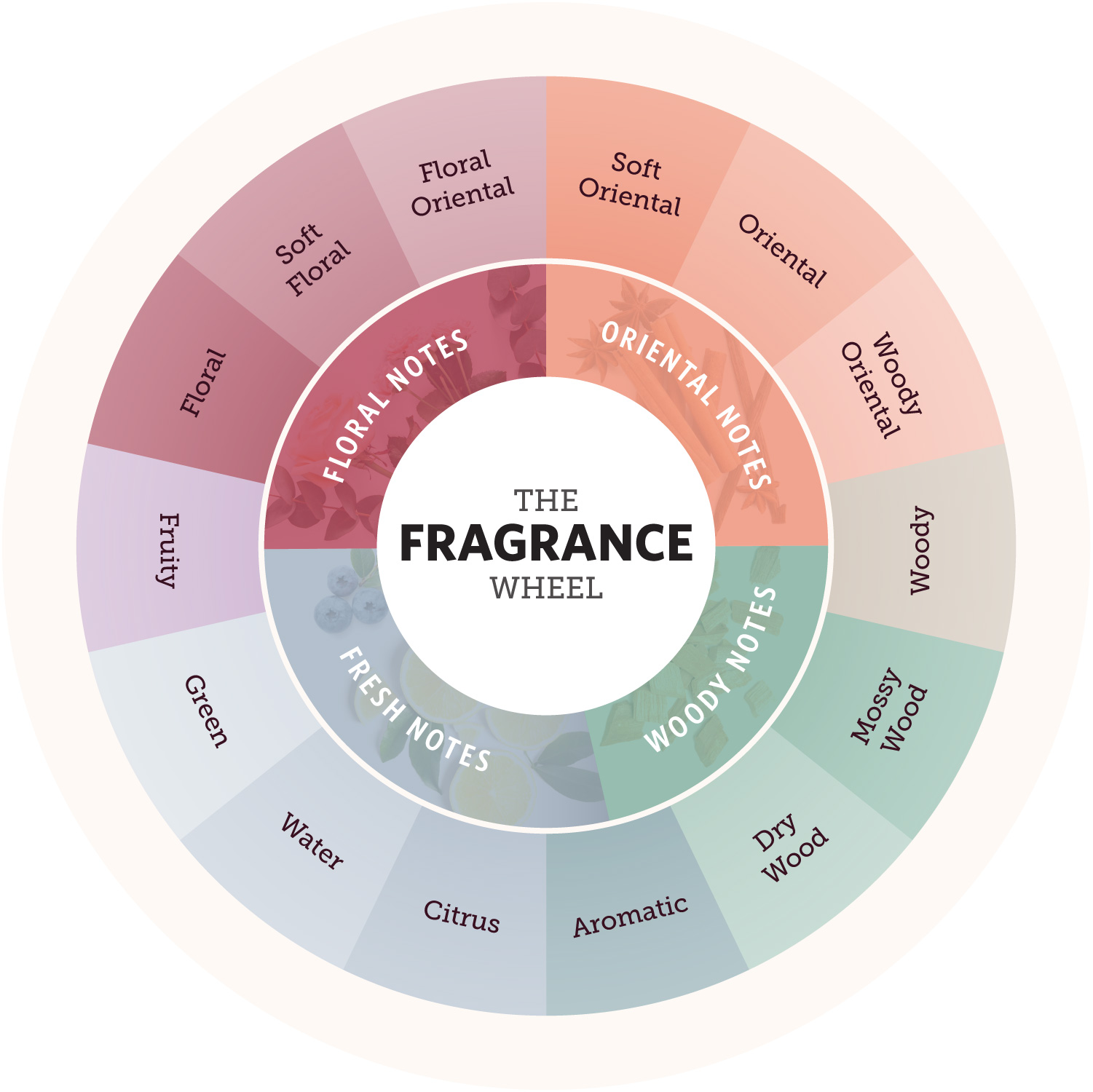
While you won’t find a single, universally accepted fragrance layering chart, there are definitely guiding principles that function in a similar way. Think of it less as a rigid chart and more as a compass. Here’s a simple mental framework I use: heavier base notes create a foundation, while lighter top notes add sparkle.
For example, a solid fragrance layering approach is:
- Foundation (Apply First): Scents dominated by heavy notes like Woods (sandalwood, cedar), Amber, Musk, or Vanilla. These have low volatility and anchor the fragrance.
- Accent (Apply Second): Scents dominated by light notes like Citrus (bergamot, lemon), Fruits (apple, berry), or Aquatics. These are highly volatile and provide the initial impression.
- Bridge (Either Role): Florals and Spices are incredibly versatile. You can layer a floral on top of a woody base to soften it, or layer a citrus on top of a spicy scent to brighten it. This is where your creativity truly shines.
Common Mistakes to Avoid When Layering Perfume
As you start your journey, you’re bound to have a few “misses,” and that’s part of the fun. However, knowing some common pitfalls can save you from a few scent-induced headaches. The biggest beginner mistake I see is going “too big, too soon.” It’s tempting to grab your two loudest, most complex fragrances, but this often results in a confusing, overwhelming clash. For instance, pairing the iconic Chanel No. 5 with Thierry Mugler’s Angel would be a battle of titans where neither can win.
Another error is simply using too much. The goal of fragrance layering is not to be smelled from a mile away but to create a subtle, intriguing, and personal scent bubble. Stick to two, or at the absolute most, three scents. Finally, the most crucial mistake is forgetting to test on your skin. A layering perfume combination might smell divine on a paper strip but turn sour or strange once it interacts with your skin’s unique pH and oils. Always test on skin before a full wearing—this is non-negotiable.
The Final Verdict: Why Learning How to Layer Perfume is a Game-Changer
So, what’s the real takeaway here? Learning how to layer perfume is more than just a fun trick; it’s a skill that fundamentally changes your relationship with fragrance. It elevates you from a consumer to a creator, empowering you to tailor your scents to your mood, the season, or a special occasion. You’re no longer limited by what’s in the bottle; you can now fine-tune a scent’s longevity, enhance its projection, or create a signature blend that is 100% unique to you. It adds incredible value to your existing collection by unlocking countless new possibilities.
The beauty of how to layer perfume lies in its subjectivity and creativity. There are no hard-and-fast rules, only endless opportunities to explore and express yourself. By starting simple, trusting your nose, and embracing experimentation, you’ll discover a deeper appreciation for the notes and accords that make up your favorite scents. You now have the knowledge and the confidence to begin this exciting olfactory journey. So go ahead, pick two bottles from your collection, and start creating.